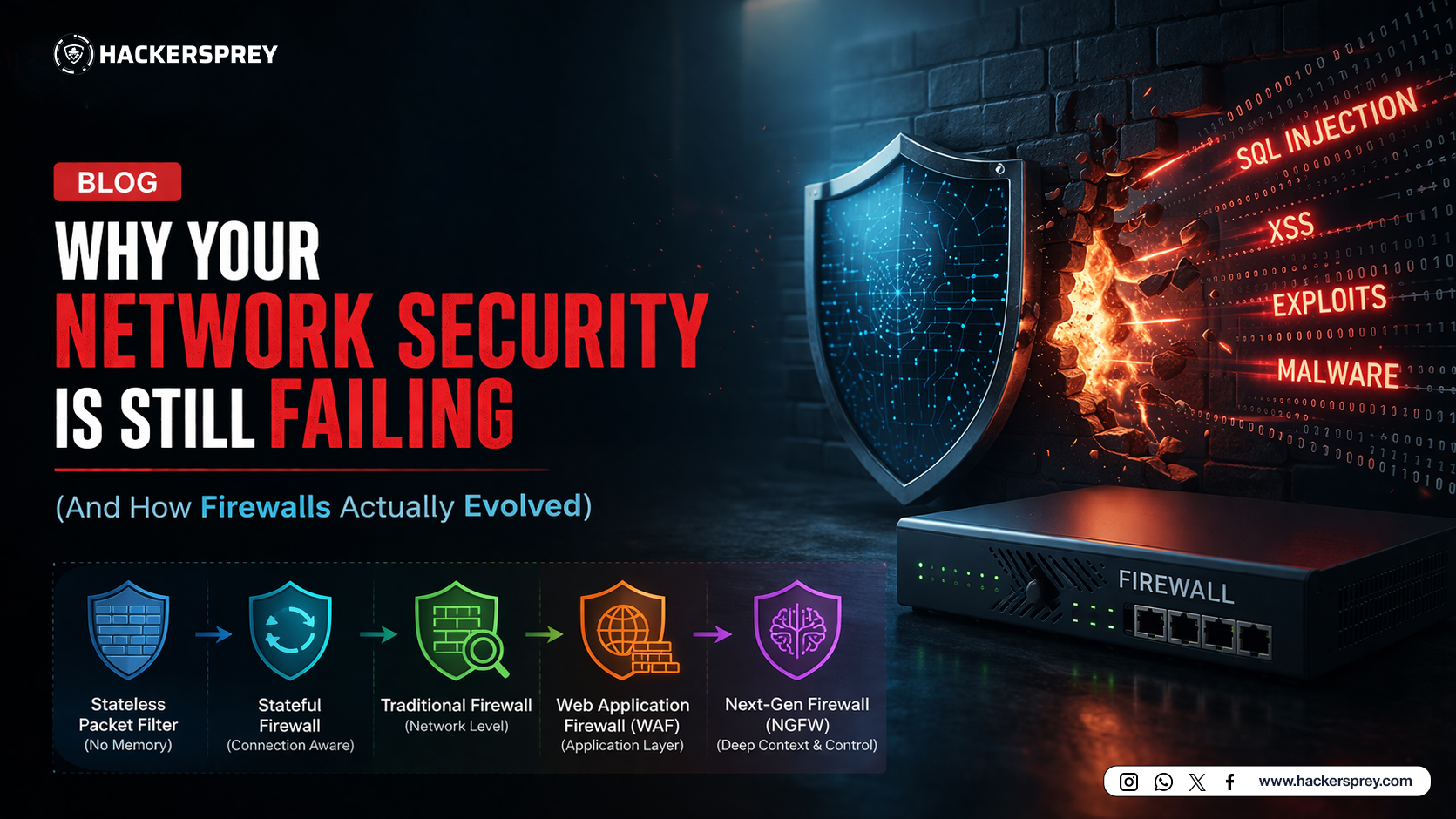
Network security has improved a lot over the years, but attacks are still happening every day. Many organizations invest in firewalls and security tools, yet breaches continue to occur.
So the real question is — why is network security still failing?
The answer is simple: attackers are evolving faster than how most systems are configured.
What Most People Get Wrong About Firewalls
Many people still think a firewall is just something that blocks or allows traffic. In reality, it’s much more than that. A firewall acts like a control point between networks, deciding what should pass and what should be stopped. But if the rules are weak or outdated, even the best firewall won’t help much.

Stateless Firewalls: Where It All Started
Early firewalls were stateless packet filters. They worked by checking:
- IP addresses
- Port numbers
- Protocols
Each packet was analyzed individually. The problem?
These firewalls didn’t have any memory. They couldn’t understand if the traffic was part of a real session or something suspicious. Because of that, attackers could easily bypass them by using specially made packets.
Stateful Firewalls: A Step Forward
To make security better, stateful firewalls were created. Unlike before, these firewalls began keeping track of connections instead of just looking at individual packets. They could:
- Identify active sessions
- Verify legitimate traffic flow
- Block unexpected or abnormal requests
This made network security stronger, but only at the network level.
Why Traditional Firewalls Started Failing
As technology changed, attacks started going beyond just networks. Hackers started paying more attention to web applications rather than just targeting open ports.
- SQL Injection
- Cross-Site Scripting (XSS)
- File upload attacks
Looking at it from the firewall’s perspective, the traffic appeared typical because it used standard ports like 80 for HTTP and 443 for HTTPS—ports that are generally allowed. This situation marks where traditional firewalls began to lose their effectiveness.
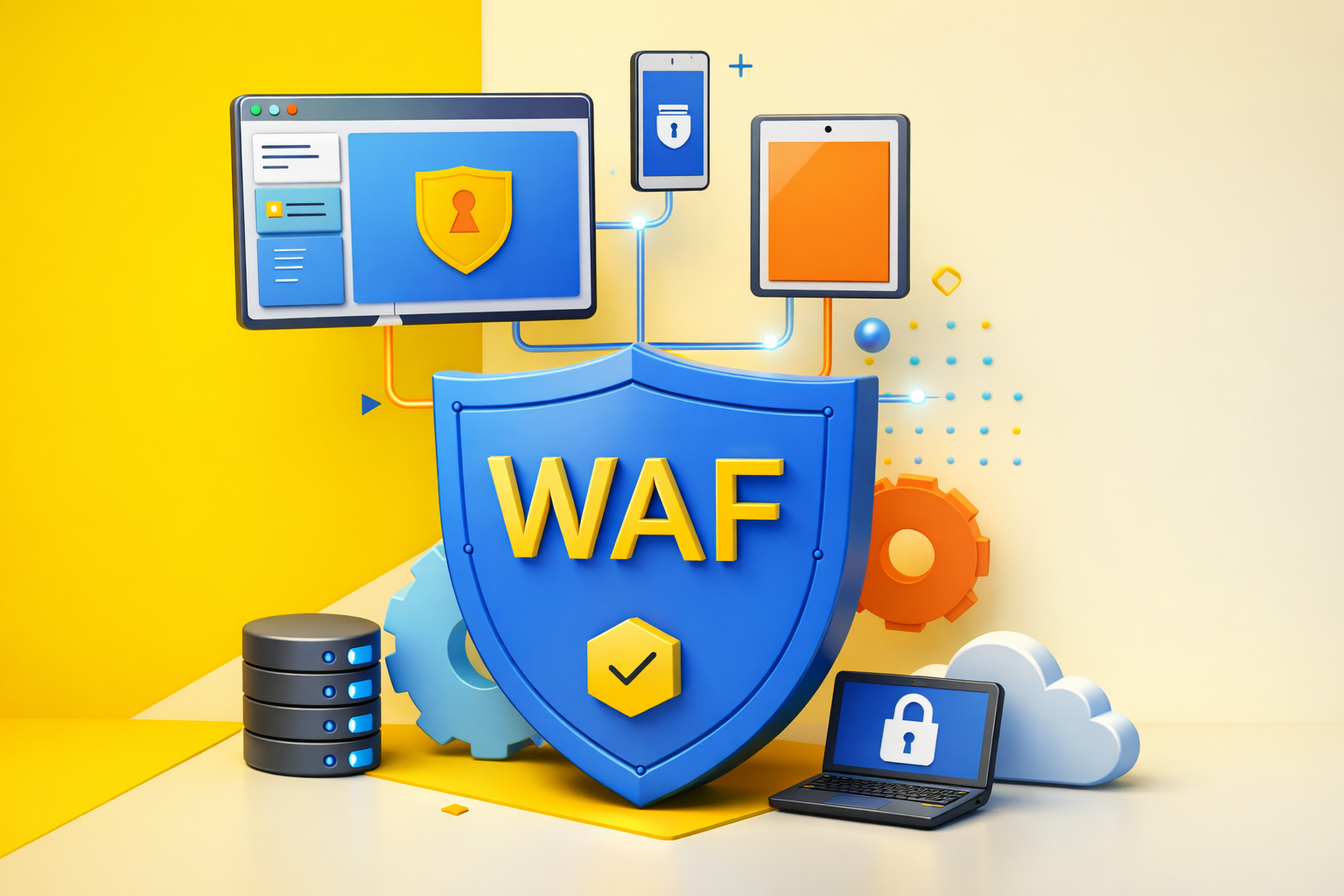
Web Application Firewalls (WAF): A New Layer
To deal with this problem, Web Application Firewalls (WAFs) were introduced. Unlike traditional firewalls, WAFs focus on analyzing:
- User inputs
- HTTP requests
- Application behavior
They can detect patterns like:
- Malicious scripts
- Injection attempts
- Suspicious payloads
This brought an important extra level of protection for modern applications.
Next-Gen Firewalls (NGFW): Smarter but Not Perfect
Today, we have Next-Generation Firewalls (NGFWs). They combine multiple features:
- Deep packet inspection
- Application awareness
- Intrusion detection and prevention
- User-based access control
These systems are more advanced than the older firewalls, yet attacks still happen.
Why Network Security Still Fails Today
Even when using advanced tools, security breaches can still happen due to reasons like incorrectly set firewall rules, access policies that are too broad, poor monitoring, overlooking attacks on the application side, and not really understanding how attacks happen. Usually, the problem isn’t with the tool itself but with the way people handle it.
What Actually Improves Network Security
True security isn’t just about putting up a firewall. It comes from:
- Understanding how attackers think
- Testing systems regularly
- Learning real-world attack techniques
- Fixing misconfigurations quickly
This is the moment where the real cybersecurity skills really matter the most.
Learn How Real Attacks Work
If you want to understand how attackers actually bypass firewalls and security systems, you need a clear learning path.
👉 Read this guide:
Cybersecurity Roadmap 2026: Skills & Jobs by Hackersprey
It explains what skills are required to move into real-world cybersecurity roles.
Also Read (Medium Article)
For a more simplified and story-based explanation of how firewalls evolved, you can check our Medium article:
👉 https://medium.com/@hackersprey/why-your-network-security-is-still-failing-bb2e0676ffbb
Final Thoughts
Firewalls started out as basic packet filters, but over time, they've grown into much more sophisticated security solutions. Still, protecting our systems isn't only about the tools we use.
- Right configuration
- continuous monitoring
- and a real understanding of attacks
As long as organizations rely only on tools without understanding how attackers operate, security gaps will continue to exist.